
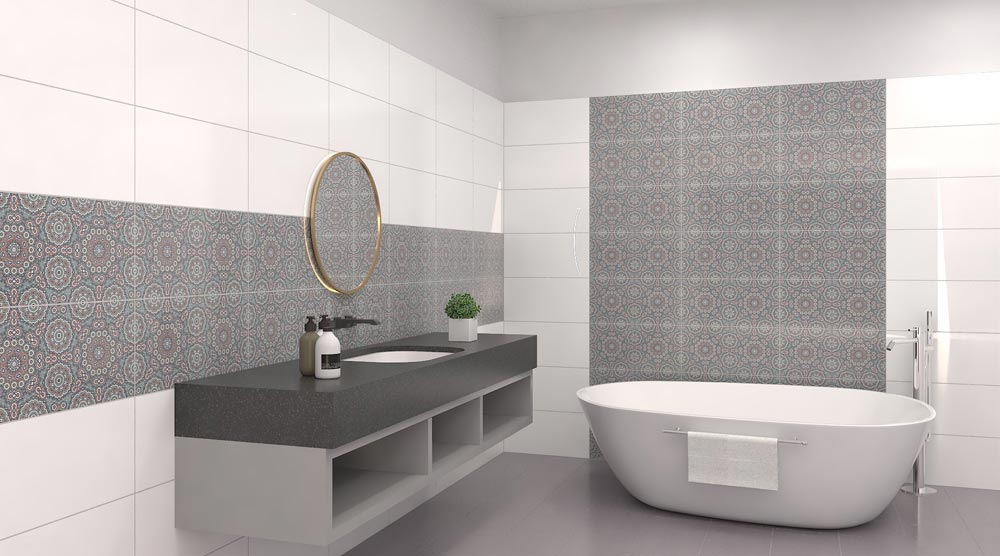
Bathroom tiles shape both the appearance and performance of the space. The right choice improves durability, simplifies maintenance, and enhances visual appeal. With countless materials, finishes, sizes, and patterns available, selecting tiles can feel overwhelming. This guide breaks down everything you need to know to make a confident and practical decision.
Understand the Different Types of Bathroom Tiles
Each tile material offers distinct advantages. Choosing the right one depends on where it will be installed and how much moisture exposure it will face.
Ceramic Tiles
- Affordable and widely available
- Suitable for walls and low-traffic floors
- Easy to cut and install
Porcelain Tiles
- Denser and more water-resistant than ceramic
- Ideal for bathroom floors and wet areas
- Available in matte, polished, and textured finishes
Natural Stone Tiles
- Includes marble, granite, travertine, and slate
- Offers unique patterns and textures
- Requires sealing to prevent water damage
Glass Tiles
- Reflect light beautifully
- Commonly used for backsplashes or accent walls
- Not typically recommended for floors
For high-moisture environments like showers, porcelain is often the most durable choice due to its low water absorption rate.
Choose the Right Tile Size
Tile size affects both aesthetics and perceived space.
- Large-format tiles create fewer grout lines, making bathrooms appear bigger and easier to clean.
- Small tiles or mosaics provide better slip resistance and are ideal for shower floors.
- Subway tiles offer timeless appeal and work well for walls.
In compact bathrooms, larger tiles can visually expand the room by reducing visual fragmentation.
Consider Slip Resistance for Safety
Bathroom floors frequently get wet, making slip resistance essential.
Look for:
- Matte or textured finishes
- Tiles labeled as slip-resistant
- Smaller tiles with more grout lines for better traction
Avoid highly polished tiles on floors unless paired with rugs or anti-slip treatments.
Select the Ideal Color and Pattern
Color influences mood and spatial perception.
Light Colors
- Make small bathrooms feel open
- Reflect natural and artificial light
- Create a clean, spa-like atmosphere
Dark Colors
- Add depth and drama
- Work well in larger bathrooms
- Pair beautifully with metallic fixtures
Patterns and Textures
- Marble-look porcelain offers elegance without high maintenance
- Geometric patterns add modern flair
- Wood-look tiles introduce warmth
When mixing patterns, maintain balance by keeping walls neutral if the floor features bold designs.
Don’t Overlook Grout Choices
Grout color significantly impacts the final look.
- Matching grout creates a seamless appearance
- Contrasting grout highlights tile patterns
- Epoxy grout resists stains and moisture better than traditional cement grout
For bathrooms, stain-resistant grout reduces long-term maintenance.
Plan for Maintenance and Longevity
Durability should guide your decision as much as style.
Key considerations:
- Porcelain requires minimal upkeep
- Natural stone needs periodic sealing
- Light-colored grout may require more frequent cleaning
- Glossy finishes show water spots more easily
Selecting tiles that suit your cleaning habits ensures the bathroom remains attractive over time.
Balance Budget and Quality
High-end tiles are not always necessary for excellent results. Prioritize:
- Investing in durable floor tiles
- Saving on decorative accent tiles
- Comparing warranties and wear ratings
- Ordering extra tiles (about 10% more) for future repairs
Smart budgeting allows you to achieve style without sacrificing performance.
Final Thoughts
Choosing bathroom tiles requires balancing function, safety, durability, and design. By understanding materials, selecting appropriate sizes, prioritizing slip resistance, and coordinating color with grout, you can create a bathroom that looks refined and performs reliably for years. Thoughtful planning ensures your tile investment enhances both comfort and property value.
Frequently Asked Questions (FAQ)
1. How thick should bathroom floor tiles be?
Most residential bathroom floor tiles range between 8–10 mm thick. Thicker tiles generally offer greater durability for high-traffic areas.
2. Are glossy tiles suitable for shower walls?
Yes, glossy tiles work well on shower walls because they repel water and are easier to clean. However, they are not recommended for shower floors due to slipperiness.
3. Can I mix different tile materials in one bathroom?
Yes, combining materials like porcelain floors with ceramic or glass wall tiles can add visual interest while maintaining practicality.
4. What is the lifespan of bathroom tiles?
Quality porcelain and ceramic tiles can last 20 years or more when properly installed and maintained.
5. Do large tiles crack more easily?
Not necessarily. Proper subfloor preparation and professional installation prevent cracking regardless of tile size.
6. How do I calculate how many tiles I need?
Measure the total surface area in square feet or meters and add at least 10% extra to account for cuts and future replacements.
7. Is underfloor heating compatible with bathroom tiles?
Yes, most porcelain and ceramic tiles conduct heat efficiently, making them suitable for radiant floor heating systems.
