
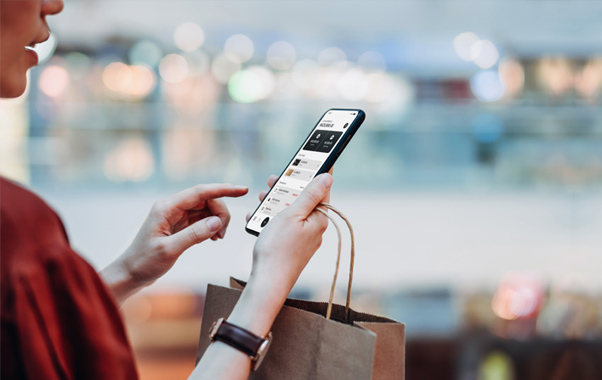
Mobile shopping has reshaped the retail landscape in less than two decades. What began as simple mobile browsing has evolved into a fully integrated digital commerce experience powered by apps, digital wallets, and personalized recommendations. Today, smartphones are not just communication tools—they are primary shopping devices for millions of consumers worldwide.
Understanding the growth of mobile commerce reveals how technology, consumer behavior, and retail strategy continue to intersect.
What Is Mobile Shopping?
Mobile shopping refers to purchasing products or services using a smartphone or tablet through:
- Retail mobile apps
- Mobile-optimized websites
- Social media platforms
- Digital marketplaces
It is a subset of e-commerce, often called m-commerce, and it prioritizes speed, convenience, and personalization.
Key Factors Driving Mobile Shopping Growth
Several forces have accelerated the shift toward mobile-first retail.
1. Widespread Smartphone Adoption
Smartphones are now deeply integrated into daily life. As device capabilities improve and internet access expands, consumers can browse, compare, and purchase at any time.
2. Faster and More Reliable Internet
The expansion of 4G and 5G networks has reduced page load times and improved app performance, making mobile transactions smoother and more reliable.
3. Mobile Payment Innovations
Secure digital payment systems have simplified checkout processes. Consumers can now complete transactions within seconds using:
- Biometric authentication
- Saved card details
- Digital wallets
- Contactless payment technology
Frictionless checkout reduces cart abandonment and increases impulse purchases.
4. App-Based Loyalty Programs
Retailers use apps to offer:
- Exclusive discounts
- Reward tracking
- Personalized promotions
- Early sale access
This strengthens brand engagement and encourages repeat purchases.
5. Social Commerce Integration
Social media platforms increasingly allow in-app purchases, blending entertainment with retail. Users can discover products through influencers, advertisements, or live streams and buy instantly without leaving the platform.
Changing Consumer Behavior
Mobile shopping has influenced how people make purchasing decisions.
Always-On Shopping
Consumers no longer need to wait for store hours. Late-night browsing, commute-time purchases, and real-time price comparisons have become routine.
Research Before Buying
Mobile devices serve as research tools. Shoppers frequently:
- Compare reviews while in-store
- Scan barcodes for price comparisons
- Read product ratings before checkout
This has made purchasing decisions more informed.
Preference for Convenience
Speed and ease now often outweigh brand loyalty. Retailers that provide smooth mobile experiences gain a competitive advantage.
Impact on Retail Businesses
The rise of mobile shopping has forced retailers to adapt.
Mobile-First Design
Websites must now prioritize:
- Responsive layouts
- Fast load speeds
- Simple navigation
- Streamlined checkout
A slow or poorly optimized mobile site can lead to lost sales.
Data-Driven Personalization
Mobile platforms collect behavioral data that enables:
- Targeted advertising
- Customized product recommendations
- Location-based promotions
When used responsibly, personalization improves user experience and conversion rates.
Omnichannel Integration
Retailers increasingly connect online and offline channels through:
- Buy online, pick up in store (BOPIS)
- Mobile coupons redeemable in-store
- Real-time inventory updates
This creates a seamless shopping journey.
Security and Privacy Considerations
With increased mobile transactions comes greater concern about data security.
Retailers must invest in:
- Encrypted payment systems
- Two-factor authentication
- Secure app development practices
Consumers also play a role by using strong passwords and secure networks when shopping online.
The Future of Mobile Shopping
Mobile commerce continues to evolve through:
- Artificial intelligence-powered recommendations
- Augmented reality for virtual try-ons
- Voice-assisted shopping
- One-click purchasing systems
As technology advances, mobile shopping will likely become even more immersive and personalized.
Benefits of Mobile Shopping
Mobile shopping offers clear advantages:
- Convenience – Shop anytime, anywhere
- Speed – Faster browsing and checkout
- Personalization – Tailored recommendations
- Accessibility – Wider product availability
- Price transparency – Easy comparison tools
These benefits explain its sustained growth across demographics.
FAQ
1. How does mobile shopping differ from traditional e-commerce?
Mobile shopping is specifically conducted on smartphones or tablets and emphasizes app-based experiences, quick checkout, and touch-friendly navigation.
2. Is mobile shopping safe?
Yes, when using secure apps, encrypted websites (HTTPS), and trusted payment methods. Avoid public Wi-Fi for financial transactions.
3. Why do retailers prioritize mobile apps over websites?
Apps enable better personalization, faster load times, push notifications, and direct customer engagement compared to standard mobile websites.
4. Does mobile shopping increase impulse buying?
Yes. Features like one-click checkout and push notifications can encourage quicker purchasing decisions.
5. What role does 5G play in mobile commerce?
5G improves speed and reduces latency, enabling smoother browsing, high-quality video shopping, and enhanced augmented reality experiences.
6. Can small businesses benefit from mobile shopping trends?
Absolutely. Even small retailers can use mobile-optimized websites, marketplace platforms, and social media shops to reach broader audiences.
7. Will physical stores disappear because of mobile shopping?
Unlikely. Instead, many retailers are blending physical and digital channels to create hybrid shopping experiences.
Mobile shopping is not a temporary shift—it represents a structural change in consumer behavior. As technology continues to evolve, the smartphone will remain central to how people discover, evaluate, and purchase products.