
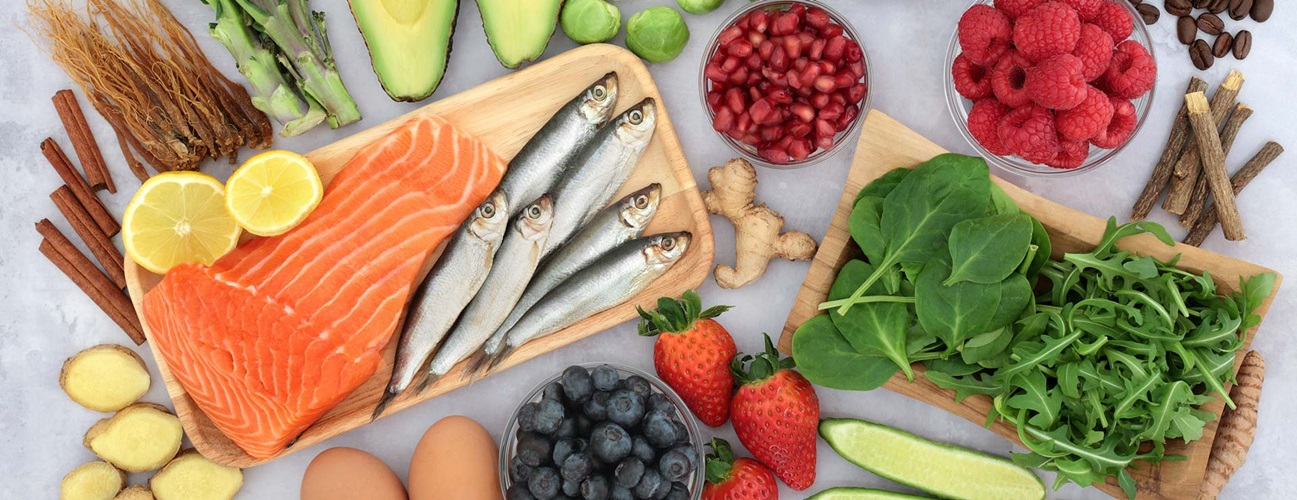
Getting over an addiction is a process of healing and starting over. A nutritious diet is a significant part of this process. Food not only gives the body energy, but it also feeds the mind and spirit. This is good for your health in general and helps you get sober.
As we talk about nutrition and health during recovery, we’ll discuss how important it is to stay hydrated and eat a balanced diet. We’ll also address ways to take care of yourself that can help you get better for good.
Fueling the Body: The Importance of a Balanced Diet
For supporting the body’s physical and mental health while it heals, a balanced meal full of nutrients is a must. Protein-rich, complex carbohydrate-rich, healthy fat-rich, vitamin- and mineral-rich foods give your body the energy and nutrients it needs to work at its best.
Adding a range of fruits, veggies, whole grains, lean proteins, and healthy fats to your meals can help keep your blood sugar levels stable. This will give you more energy and improve your health in general.
Hydration: Quenching the Body’s Thirst for Healing
Staying hydrated is essential for both healing and staying healthy in general. Staying adequately hydrated, flushing out toxins, and supporting many body processes all require water.
Drink a lot of water throughout the day. Why? Because being dehydrated can make withdrawal signs worse. It can hurt your brain and make you want to use more. Adding flavor to drinks and keeping hydrated with herbal teas, coconut water, and infused water are also excellent choices.
Mindful Eating: Nourishing the Soul
Aside from paying attention to the kinds of foods eaten, mindful eating can also make the healing benefits of food even more vital. Mindful eating means being aware of when you’re hungry, enjoying every bite, and fully experiencing the act of eating.
People can have a better relationship with food and a greater appreciation for nourishing their bodies. They achieve this by slowing down and paying attention to their feelings of hunger, fullness, and satisfaction.
Self-Care Practices: Supporting Holistic Wellness
In recovery, nutrition is only one part of holistic wellness. Self-care is also essential for supporting general health. Getting some exercise, meditating, writing in a book, and spending time in nature can help lower stress. It can also boost your mood and speed up the healing process for your emotions.
People can improve their physical, mental, and spiritual health by prioritizing self-care. This can help them stay sober and happy for a long time.
Seeking Professional Guidance: Individualized Support for Nutrition
Nutritionists and dietitians can help people recover by giving them personalized support and advice. This is especially true for people moving from a partial hospitalization program to their everyday lives.
These experts can help users make food plans that meet their nutritional needs. And also fix any nutrient imbalances or deficiencies and discuss ways to control cravings and live a healthy life. Individuals can improve their dietary habits and heal by working with a nutritionist or dietitian.
Final Thoughts
Diet and health are essential for helping people who are trying to recover from addiction. The above tips can help people nourish their bodies, minds, and emotions and prepare themselves for long-term recovery and wellness. Individuals can improve their health and well-being through diet and wellness practices. This gives them the power to live entire lives without addiction.
