
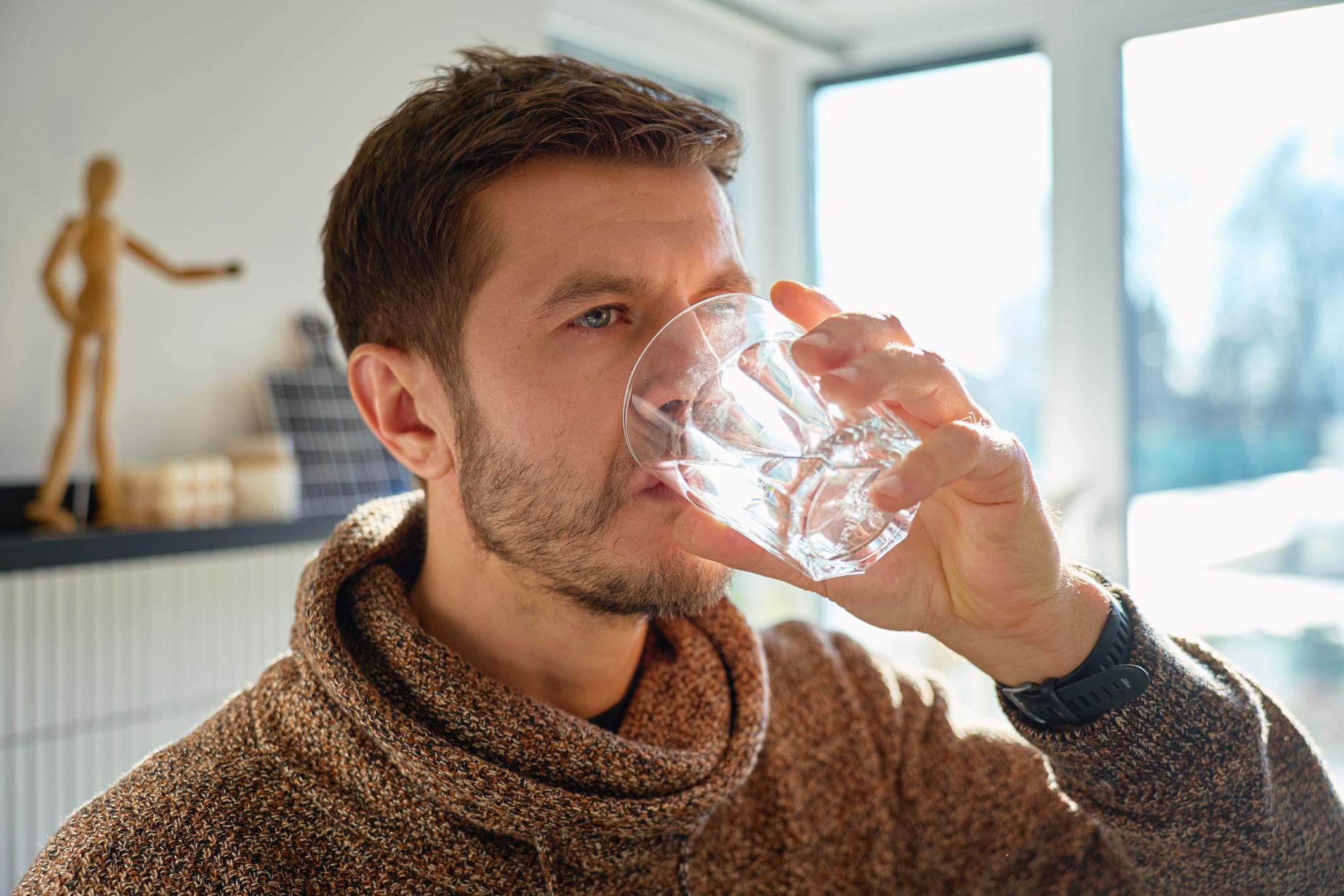
Water is fundamental to human survival, yet hydration is often overlooked in daily health routines. The human body is composed of roughly 60% water, and nearly every biological process depends on adequate fluid levels. From regulating temperature to supporting cognitive clarity, hydration plays a central role in maintaining physical and mental performance.
Even mild dehydration can impair concentration, mood, and energy levels. Maintaining consistent fluid intake is one of the simplest yet most powerful ways to support overall well-being.
Why Hydration Matters
Water supports essential physiological functions. Without sufficient fluids, the body cannot operate efficiently.
Key roles of hydration include:
- Regulating body temperature through sweating
- Transporting nutrients and oxygen to cells
- Lubricating joints and tissues
- Supporting digestion and nutrient absorption
- Removing waste through urine and perspiration
Proper hydration ensures that organs, muscles, and tissues function optimally throughout the day.
Hydration and Physical Performance
Fluid balance significantly affects physical endurance and strength. During exercise, the body loses water through sweat, which must be replaced to maintain performance.
Inadequate hydration may lead to:
- Muscle cramps
- Fatigue and reduced stamina
- Dizziness or heat exhaustion
- Slower recovery after workouts
Athletes and active individuals require higher fluid intake due to increased water loss. Electrolyte balance also becomes important during prolonged physical activity.
Hydration and Cognitive Function
The brain is highly sensitive to fluid imbalance. Even slight dehydration can influence mental clarity and mood.
Research shows that insufficient hydration can cause:
- Difficulty concentrating
- Headaches
- Irritability
- Short-term memory issues
Staying hydrated supports alertness, productivity, and emotional stability, especially during demanding mental tasks.
The Impact on Digestive Health
Water plays a vital role in digestion and nutrient processing. It helps break down food, absorb vitamins and minerals, and maintain regular bowel movements.
Benefits for digestive health include:
- Prevention of constipation
- Improved gut motility
- Efficient nutrient transport
- Reduced risk of kidney stones
Adequate fluid intake supports both gastrointestinal comfort and metabolic efficiency.
Hydration and Skin Health
Skin reflects internal hydration status. While drinking water alone does not eliminate skin conditions, proper hydration supports elasticity and overall appearance.
Well-hydrated skin may appear:
- More supple
- Less prone to dryness
- Better able to maintain its protective barrier
Hydration also assists in flushing toxins that can contribute to skin imbalance.
How Much Water Do You Need?
Fluid requirements vary based on age, body weight, climate, and activity level. While the common recommendation is around 8 cups (2 liters) per day, individual needs may differ.
Factors that increase fluid requirements:
- Hot or humid environments
- Intense physical activity
- Pregnancy or breastfeeding
- Illness causing fever, vomiting, or diarrhea
Monitoring urine color—aiming for pale yellow—is a practical way to assess hydration status.
Sources of Hydration Beyond Water
Water is the primary and healthiest choice, but other sources also contribute to daily fluid intake.
Hydrating sources include:
- Fruits such as watermelon, oranges, and strawberries
- Vegetables like cucumbers and lettuce
- Herbal teas
- Milk and broths
Sugary beverages should be limited, as they can contribute to excess calorie intake and metabolic issues.
Signs of Dehydration
Recognizing early symptoms helps prevent more serious complications.
Common signs include:
- Dry mouth and lips
- Dark-colored urine
- Fatigue
- Rapid heartbeat
- Reduced urine output
Severe dehydration requires medical attention and can lead to serious health risks.
Practical Tips for Staying Hydrated
Consistency is more effective than consuming large amounts of water at once.
Simple strategies include:
- Carrying a reusable water bottle
- Drinking water before feeling thirsty
- Setting reminders throughout the day
- Increasing intake during exercise
Developing hydration habits supports long-term health maintenance.
Frequently Asked Questions (FAQs)
1. Can drinking too much water be harmful?
Yes, excessive water intake in a short period can lead to a rare condition called water intoxication, which dilutes sodium levels in the blood. Moderation and balance are key.
2. Does coffee or tea count toward daily hydration?
Yes, moderate consumption of coffee and tea contributes to fluid intake, although excessive caffeine may have mild diuretic effects.
3. Is thirst a reliable indicator of dehydration?
Thirst signals that your body already needs fluids, so it is better to drink water consistently rather than waiting until you feel thirsty.
4. How does hydration affect blood pressure?
Proper hydration helps maintain blood volume and circulation, which can influence blood pressure stability.
5. Are sports drinks necessary for hydration?
For most people, water is sufficient. Sports drinks are beneficial mainly during prolonged or intense exercise lasting over an hour.
6. Does cold weather reduce the need for hydration?
No. Fluid loss still occurs in cold environments, and indoor heating can increase dehydration risk.
7. How can older adults maintain proper hydration?
Older adults may experience reduced thirst sensation. Setting regular drinking schedules and including hydrating foods can help maintain adequate fluid intake.
