
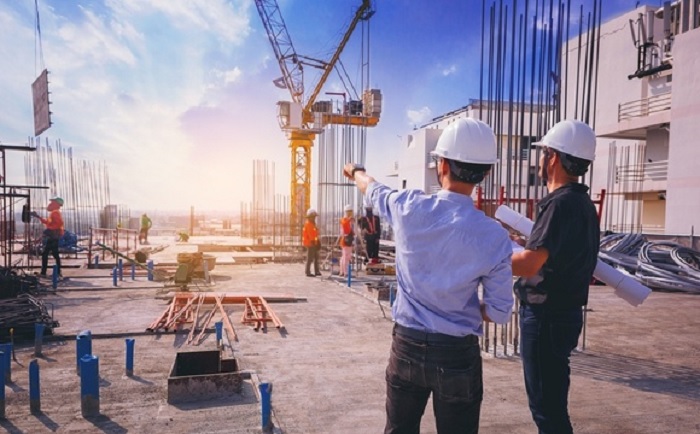
Health and safety should be a priority for every workplace, but the greater risk in construction environments means that no chances can be taken to protect workers and members of the public. Read on to find out more about why health and safety is so crucial in construction and what putting this into effect often looks like.
Why is health and safety important in construction?
There’s undeniable evidence that construction is the most hazardous industry of them all, with the number of fatal work-related injuries more than double that of the next industry in the UK. And it ranks highly for self-reported workplace injuries too, signalling the risks involved on a more minor level as well.
Falls from a height, being hit by a moving object or vehicle, and being trapped by something collapsing are some of the most common causes of workplace fatalities and injuries. Fully protecting workers and the public from these hazards may not be achievable, but the appropriate steps must be taken by employers and managers to mitigate risks as far as possible. So, how can that be done?
Fundamental features of health and safety in construction
Employers have a legal duty to protect workers while on the job and failure to do this can have dire consequences. These are some of the most significant features of health and safety in construction:
- Personal protective equipment (PPE): Appropriate PPE and safety equipment are crucial to protect workers from the various hazards on and around construction sites. Common items include hard hats, safety glasses, hi-vis clothing, safety boots, ear plugs and lifting equipment such as shackles, but the items needed can vary between sites. Ensuring an adequate supply is crucial, as we found out in healthcare during the pandemic.
- Site policies and procedures: Site safety starts from the top and with effective policies and procedures laid out by managers. These tend to consist of strict rules around PPE, obvious site boundaries, clear safety signage and more. Risk assessments should be ongoing and new hazards met with methods to mitigate.
- Comprehensive training: Workers need to know what to do and, crucially in some cases, what not to do. This can include building methods, working with tools and equipment, and recognising hazards on site and reporting them. Regular training should be provided to keep policies and procedures fresh in the minds.
Those in the construction industry face a unique and sometimes deadly set of risks. The responsibility of managing and reducing this risk is on employers and managers, so the necessary steps must be taken.
