
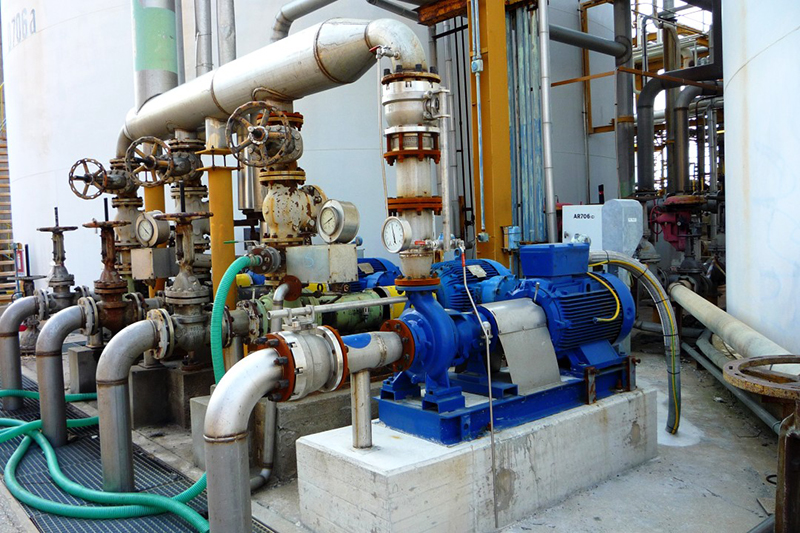
Identifying the right chemical pump can be challenging due to the numerous pump types and varying industrial needs. Each industry requires a suitable pump to safely transport corrosive viscous or hazardous fluids with optimal reliability and efficiency. This article explains important considerations that will help you make a knowledgeable decision.
Understand your process requirements
Begin every pump evaluation process by examining your operational requirements. First, assess the chemical makeup of the fluids that you will process. Some fluids carry corrosive properties and may be abrasive and sensitive to temperature changes.
The evaluation process should include the determination of necessary pressure specifications and flow requirements. Knowing your process demands allows you to search for pumps that match your application needs, thus reducing the probability of equipment failure and production delays.
Consider material compatibility and construction
Choosing the correct chemical pump system highly depends on evaluating how well pump materials blend with transported chemicals. Chemical compounds that cause corrosion necessitate pumps manufactured from steel components, Hastelloy materials as well as special polymer materials.
The use of chemical-resistant materials enables longer pump durability and minimizes the risk of chemical leaks and hazardous reactions. Look for compatibility charts in manufacturer data sheets. Alternatively, seek professional advice from experts like Pumpbiz if you need assistance selecting the proper material for your particular chemicals.
Check the pump type and technology
Chemical pumps exist in multiple separate options. Each comes with multiple advantages, which make them appropriate for different operational requirements.
For instance, centrifugal pumps excel when moving high flows of less viscous content, while diaphragm pumps ensure chemical inertness for dealing with dangerous substances.
The selection process requires analysis of chemical and physical characteristics and process accuracy needs. Luckily, today’s chemical pumps include digital monitoring systems and controls that optimize their performance. They also warn operators about emerging issues early enough to prevent full-scale problems.
Evaluate energy efficiency and operating costs
Processing expenses are the main financial factor within industrial operations. Implementing energy-efficient pumps results in substantial financial savings during their operational lifespan. Energy-efficient pumps should comprise variable speed drives and energy-saving modes to enable process demand-based adjustments.
Pumps that use less energy during operation initially cost more to purchase but will provide financial gains because of reduced operational expenses. Examine the energy usage and total lifetime value of the pump when used in your industry application.
Consider maintenance, support, and future flexibility
Your choice of pump depends strongly on how easily your system can be serviced and what kind of support you will receive post-purchase. Difficult-to-maintain pumps and scarce spare parts availability will result in expensive operational interruptions.
Look for suppliers that demonstrate robust technical assistance and successful performance in your sector. You should take market growth potential and any process modifications into account when making your pump selection. A pump designed to scale its performance and feature modular components will adapt to your changing needs.
Conclusion
A careful analysis of these pivotal factors enables you to choose a pump that fulfills present operational requirements and delivers long-term performance and cost-efficiency benefits. A properly selected chemical pump becomes the foundation of your industrial activities while simultaneously enhancing process safety and boosting productivity.
